The King of Beasts: An Ultimate Guide to the Lion
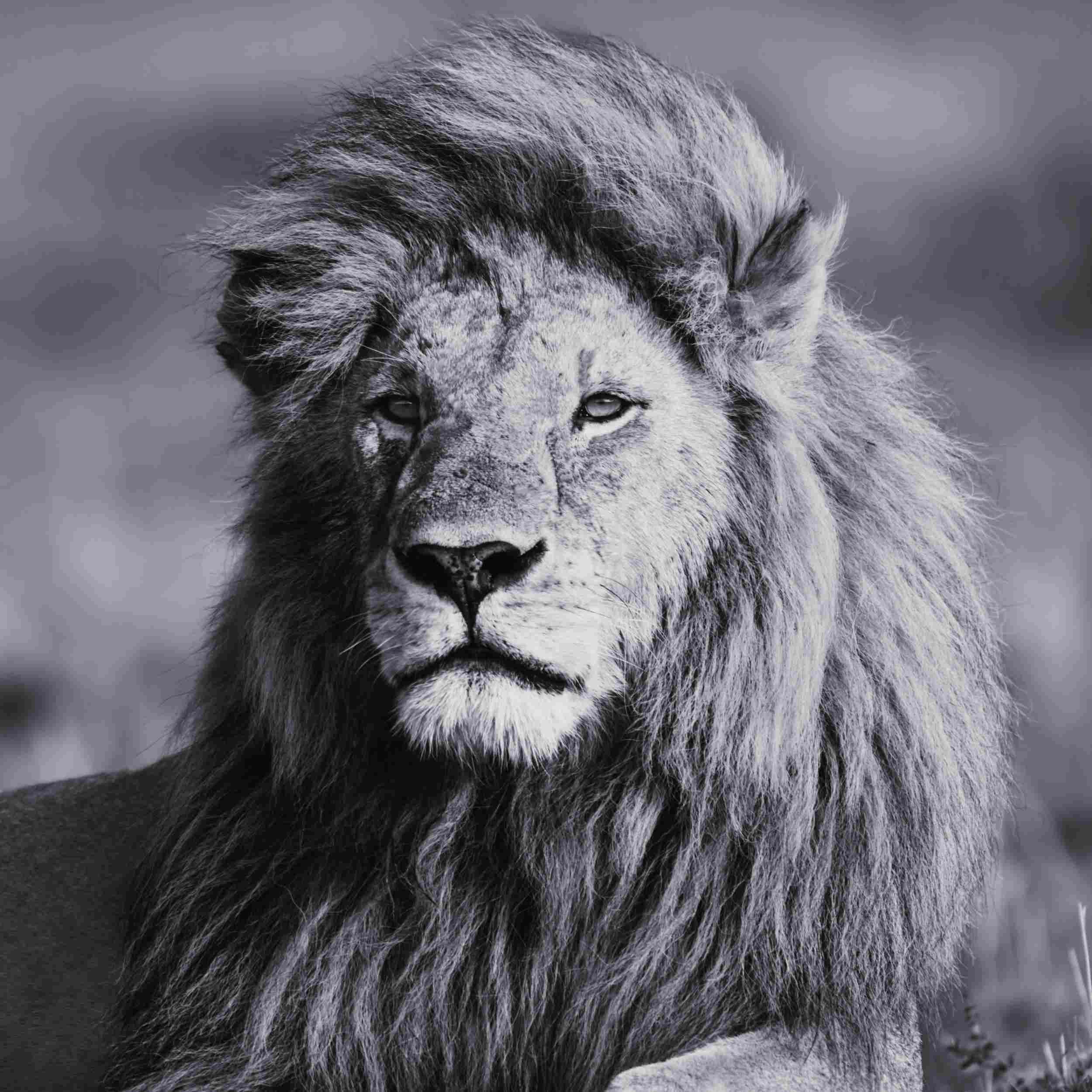
The lion (Panthera leo) has held a dominant place in human culture and the natural world for millennia. Often referred to as the “King of the Jungle” (despite primarily living in grasslands and savannas), the lion is a symbol of strength, courage, and majesty.
1. Origins and Evolutionary History
Lions belong to the genus Panthera, which also includes tigers, jaguars, and leopards.
- Evolutionary Roots: The earliest lion-like felines appeared in Africa around 3.5 million years ago.
- The Golden Age: During the Pleistocene epoch, prehistoric lions like the Cave Lion (Panthera leo spelaea) and the American Lion (Panthera leo atrox) roamed across Europe, Asia, and North America. They were among the largest cats to ever exist.
- Modern Distribution: Today, wild lions have vanished from roughly 94% of their historic range. They are now almost entirely restricted to Sub-Saharan Africa, with one critically endangered remnant population living in India.
2. Species and Subspecies
While all living lions belong to the same species, scientists generally recognize two main subspecies based on geographic distribution and genetic differences:
| Subspecies | Common Name | Habitat | Current Status |
| Panthera leo leo | Northern Lion | Central Africa, West Africa, and India (Gir Forest) | Endangered / Critically Endangered in regions |
| Panthera leo melanochaita | Southern Lion | East and Southern Africa | Vulnerable, though populations are more stable |
Note: The Asiatic lion found in India’s Gir Forest is a genetically distinct population of the Northern lion. They are slightly smaller than African lions and feature a longitudinal fold of skin running along their bellies.
3. Physical Structure and Adaptations
Lions are built for raw power rather than sustained speed. Their anatomy makes them highly effective apex predators.
- Size and Weight: Adult males typically weigh between 330 to 570 lbs (150–260 kg), while females (lionesses) are smaller, weighing between 270 to 400 lbs (120–180 kg).
- The Mane: The male’s mane is its most defining feature. It serves to protect the neck during fights with rivals and signals health and vigor to potential mates. Darker, fuller manes typically indicate higher testosterone and better health.
- Sensory Adaptations: Lions have incredible night vision, aided by a reflective layer at the back of the eye called the tapetum lucidum. Their roar can reach up to 114 decibels and can be heard from 5 miles (8 km) away, used primarily to map out territory.
4. Social Life and the Pride
Unlike almost all other wild cats, which are solitary, lions are intensely social animals. They live in family groups called prides.
- Pride Composition: A typical pride consists of about 10 to 15 closely related females, their offspring, and a small coalition of 2 to 4 ruling males.
- Female Bond: The core of the pride is the lionesses. They stay in their natal pride for life, hunting together and even nursing each other’s cubs.
- Male Coalitions: Resident males do not stay forever. They must constantly defend the pride from nomadic males. A male coalition’s rule usually lasts only 2 to 4 years before they are ousted by younger, stronger rivals.
5. Diet, Hunting, and Habits
The Hunt
Lionesses are the primary hunters of the pride. They are smaller, faster, and more agile than males, lacking the heavy mane that makes camouflage difficult.
Hunting usually happens at night or during the cool dawn and dusk hours. Lionesses use coordinated tactics: some fan out to stalk and encircle the prey, while others ambush the target from hiding spots.
Diet
Lions are obligate carnivores, meaning they rely entirely on meat.
- Primary Prey: Medium-to-large ungulates, including wildebeest, zebras, impalas, and buffalo.
- Opportunistic Eaters: They will readily scavenge kills from hyenas and leopards, or take down massive prey like giraffes and young elephants if food is scarce.
- The Hierarchy of Eating: Despite the females doing the hard work of hunting, the dominant males eat first, followed by the lionesses, and finally the cubs.
Daily Habits
Lions are masters of conserving energy. They spend up to 16 to 20 hours a day resting or sleeping. Because they lack efficient sweat glands, resting during the heat of the day helps them regulate their body temperature and save energy for the explosive bursts of speed needed during a hunt.