The Ultimate Guide to Bobcats: Nature’s Stealthy Survivors
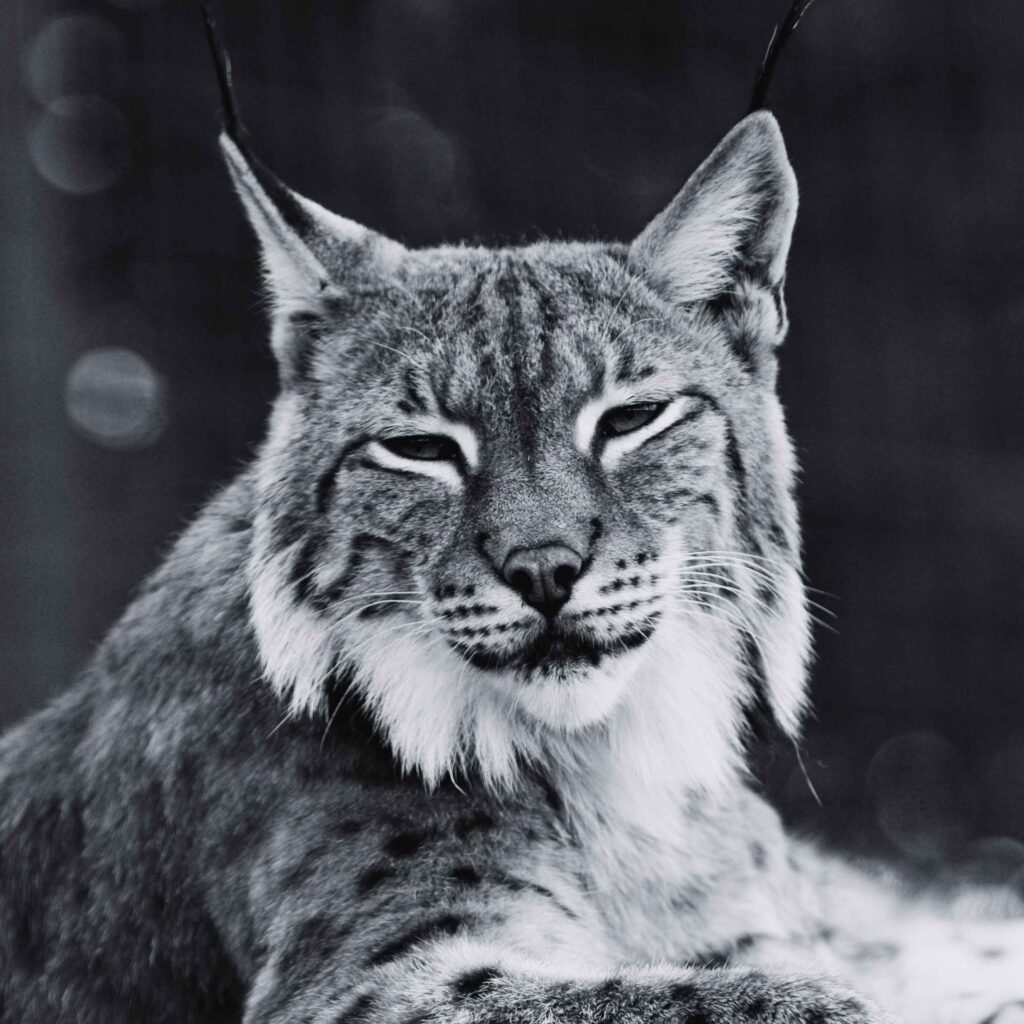
The bobcat (Lynx rufus) is one of North America’s most resilient and adaptable predators. Named for its short, “bobbed” tail, this medium-sized wildcat thrives in a variety of environments, from dense forests and arid deserts to the edges of urban neighborhoods.
Origins and History
The evolutionary journey of the bobcat began millions of years ago.
- Evolutionary Roots: Bobcats belong to the family Felidae and the genus Lynx. Fossil evidence suggests that the genus Lynx originated in Africa or Asia before migrating across the Bering Land Bridge into North America during the Pliocene epoch.
- The Split: Around 2.5 million years ago, the ancestral lynx split into different species. The bobcat evolved specifically in the southern regions of North America, adapting to temperate climates, while its close relative, the Canada lynx, adapted to the colder, snowy northern boreal forests.
- Historical Range: Historically, bobcats roamed freely across the entire contiguous United States, southern Canada, and down into Oaxaca, Mexico. While human development has altered their habitat, their overall range remains remarkably intact compared to other large predators.
Physical Structure
The bobcat is a masterclass in feline engineering, built for stealth, agility, and power.
- Size and Weight: They are roughly twice the size of a standard house cat. Adult males usually weigh between 16 and 30 pounds, while females are slightly smaller, averaging 12 to 20 pounds.
- The “Bob” Tail: Their most defining feature is their stubby tail, which ranges from 4 to 7 inches long and features a distinct black tip on the top side, with a white underside.
- Coat and Camouflage: Their fur ranges from yellowish-brown to reddish-brown, streaked or spotted with dark brown or black. This patterning provides perfect camouflage in dappled sunlight and brush.
- Facial Features: Bobcats have prominent ruffs of fur on their cheeks, resembling sideburns, and small tuffs of black hair on the tips of their ears, which help channel sound into their ears to detect prey.
Species Lifestyle and Habitat
Bobcats are highly adaptable and can make a home almost anywhere as long as there is adequate cover and prey.
- Diverse Habitats: They can be found in swamps, deserts, mountains, forests, and fields. They use hollow logs, caves, rock crevices, or dense brush as dens.
- Home Ranges: A single bobcat establishes a home range that it fiercely defends. A male’s territory is typically larger (up to 30 square miles) and often overlaps with the smaller territories of several females.
Social Life and Reproduction
Bobcats are solitary and elusive animals, preferring to live a quiet life out of the spotlight.
- Solitary Nature: Adults travel alone and generally avoid contact with other bobcats, except during the breeding season. They mark their territories using scent, urine, and claw marks on trees to communicate boundaries without meeting face-to-face.
- Mating and Kits: The mating season peaks between February and March. After a gestation period of about 60 days, a female gives birth to a litter of 1 to 6 kits (usually 2 to 4) in the spring.
- Upbringing: The mother raises the kits entirely on her own. The young stay with her for about 9 to 12 months, learning how to hunt before dispersing to find their own territories.
Diet and Hunting Habits
As strict carnivores, bobcats play a crucial role in controlling rodent and small mammal populations.
| Prey Type | Examples |
| Primary Diet | Rabbits, hares, squirrels, mice, voles, and rats. |
| Opportunistic Diet | Birds, reptiles, amphibians, and occasionally insects. |
| Large Prey | Deers (mostly in winter when small prey is scarce; they typically target fawns or injured adults). |
- Stalk and Ambush: Bobcats do not chase down their prey over long distances. Instead, they stalk silently through the brush, using their incredible patience, before delivering a powerful, leaping pounce from up to 10 feet away.
- Caching Food: If a bobcat kills an animal too large to eat in one sitting, it will cover the remains with leaves, dirt, or snow to hide it from scavengers and return to feed on it later.
Daily Habits and Behavior
- Crepuscular Activity: While they can be active during the day, bobcats are primarily crepuscular, meaning they are most active during twilight—just before sunrise and right after sunset. This aligns perfectly with the activity patterns of their favorite prey.
- Exceptional Senses: They possess sharp eyesight and keen hearing. Their night vision is incredibly sharp, allowing them to hunt effortlessly in near-total darkness.
- Agility: Bobcats are excellent climbers and can scale tall trees easily to escape predators or spot prey. They are also capable swimmers, though they generally prefer to stay on dry land.